[Interview] From TV to a Work of Art: Samsung’s Design Innovation at the Red Dot Design Award 2026
Today, design goes beyond refining a product’s appearance — it embraces user preferences and harmonizes with the surrounding space.
Embodying this human-centered design approach, “Expressive Design”, Samsung Electronics achieved a remarkable milestone at the globally renowned Red Dot Design Award 2026, with all 16 of its submitted entries1 recognized.
Samsung Newsroom sat down with designers from the Visual Display (VD) Business to hear the stories behind their design philosophy and innovation.
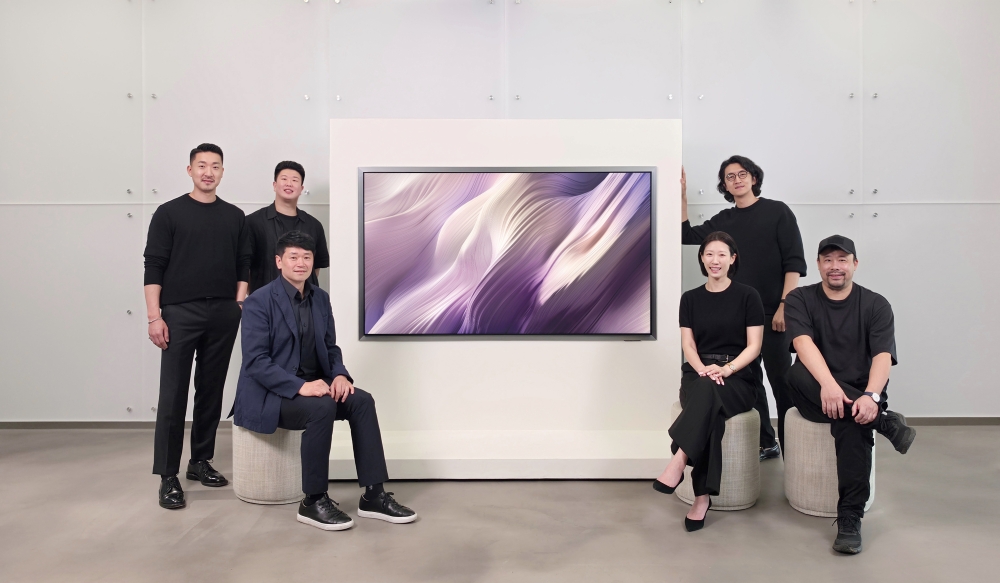 ▲ (From left) Jangho Kim, Sanghyeon Na, Chulyong Cho, Minsun Kang, Jaeneung Lee and Yongjoo Lee
OLED TV S95H: A New Direction in TV Design
The OLED TV S95H received the Best of the Best award in the Product Design category, taking the long-standing paradigm of minimalist TV design in a new direction — one defined by presenting only what is necessary and boldly revealing its structure to create a framed, art-like object with a screen that appears to float.
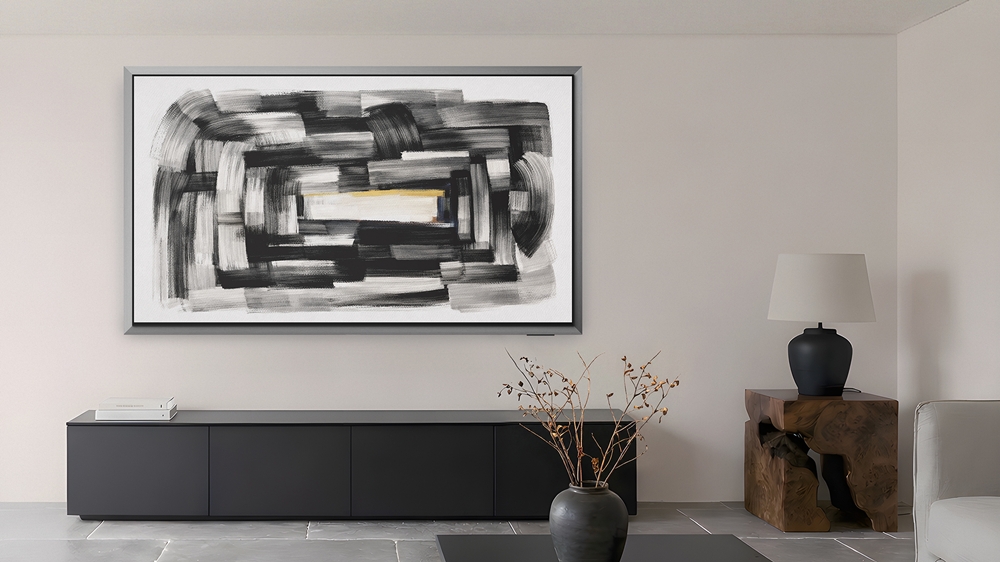 ▲ The OLED TV S95H, honored as the Best of the Best at the Red Dot Design Award 2026.2
Q. The S95H moves beyond the conventional bezel-less design to emphasize its presence as a design object. What inspired this paradigm shift?
Cho: Bezel-less designs have become the norm in today’s TV market, and it is increasingly difficult for brands to express a distinct identity. Beyond ultra-slim form factors, we believed it was time to rethink what a TV means in living spaces.
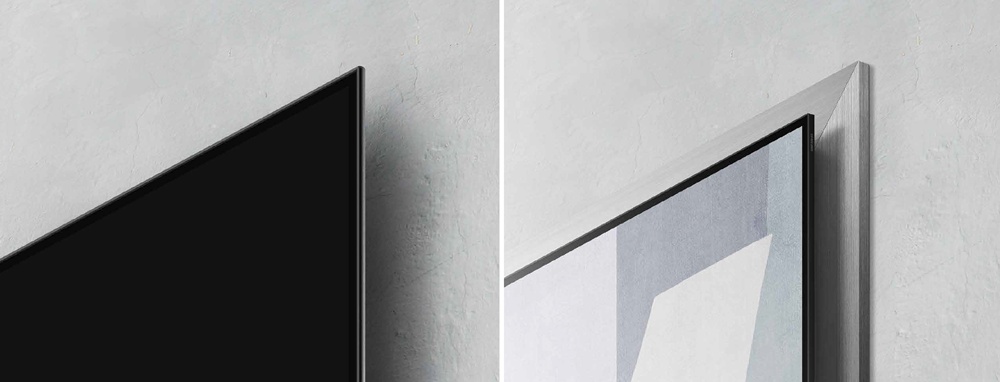 ▲ (From left) A comparison of a conventional OLED TV and the OLED TV S95H
As TVs become larger, their presence within a space continues to grow. We believed it was important for the TV to blend naturally into the space, much like furniture or a lifestyle object. By incorporating various colors and materials into the frame, we developed designs that enable users to reflect their personal tastes.
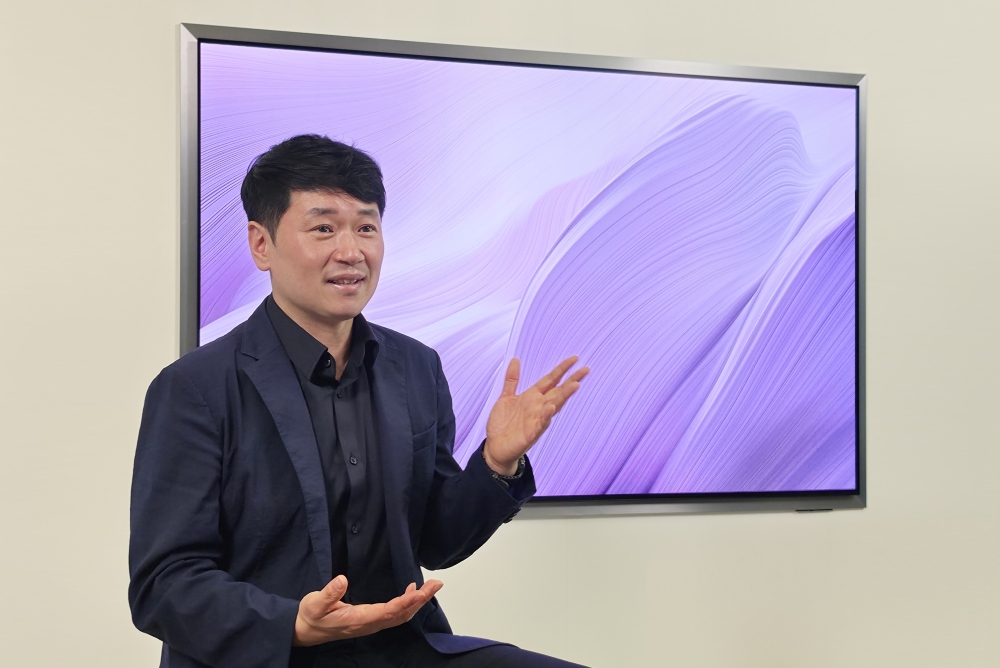 ▲ Chulyong Cho, Head of the Design Team, VD Business at Samsung Electronics
Q. The FloatLayer design — where the front panel appears to float in front of a metal frame — stands out. What kind of experience were you ultimately aiming to deliver through this design?
Cho: Our goal was to add both the atmosphere of the space and viewing immersion. We boldly exposed the metal plate to soften the contrast between the screen and its surroundings so that the product can seamlessly blend into its environment like it’s part of the interior. We also separated the screen and frame into different layers to create a more immersive experience. The screen layer highlights the OLED technology and picture quality of the S95H, while the frame layer helps the product integrate naturally into the living space.